For a brief moment, it seemed as though the luxury watch industry might permanently move online.
During the pandemic years, brands invested heavily in digital launches, virtual presentations, livestream unveilings, and remote sales experiences. Many industry observers predicted that traditional watch fairs would slowly lose relevance as collectors became comfortable purchasing expensive timepieces without ever seeing them in person.
That prediction turned out to be largely wrong.
Today, whether you’re interested in haute horlogerie, independent watchmaking, or even researching replica watches before a purchase, one reality has become increasingly clear: watches are emotional objects. And emotional objects are best experienced in person.
The growing momentum behind Watches & Wonders Geneva 2026 illustrates exactly why the physical side of watch collecting remains irreplaceable.
The Return of Hands-On Watch Culture
One lesson the watch industry has learned over the past several years is surprisingly simple.
Photos sell curiosity.
Physical experiences sell watches.
Even the most sophisticated product photography struggles to communicate what collectors actually care about:
- Case finishing
- Dial depth
- Bracelet comfort
- Weight distribution
- Wrist presence
- Light reflection
I’ve handled watches that looked spectacular online but felt disappointing in reality. I’ve also encountered pieces that appeared ordinary in press images yet became unforgettable once worn.
This gap between digital presentation and physical experience explains why major brands continue investing millions in exhibitions, collector gatherings, and global events.
Luxury watch manufacturers have discovered that marketing alone cannot create lasting enthusiasm. The product itself must ultimately justify the attention.
And that can only happen when people see, touch, and wear the watch.
Why Watches & Wonders Keeps Growing
From a financial perspective, participating in a major trade show is not cheap.
Booth construction, logistics, staffing, hospitality, media events, transportation, and marketing can cost brands enormous sums.
Many executives openly admit that these events are exhausting and expensive.
Yet Watches & Wonders continues to expand.
Why?
Because attention has become one of the most valuable commodities in the luxury market.
Outside major industry events, new watch releases often disappear into an endless stream of online content. Social media algorithms, news cycles, and competing announcements make it increasingly difficult for brands to capture meaningful attention.
At Watches & Wonders, however, the entire industry’s focus converges in one place.
Collectors, journalists, retailers, influencers, and enthusiasts are all paying attention simultaneously.
That concentrated audience is incredibly difficult to replicate independently.
Audemars Piguet’s Return Tells an Interesting Story
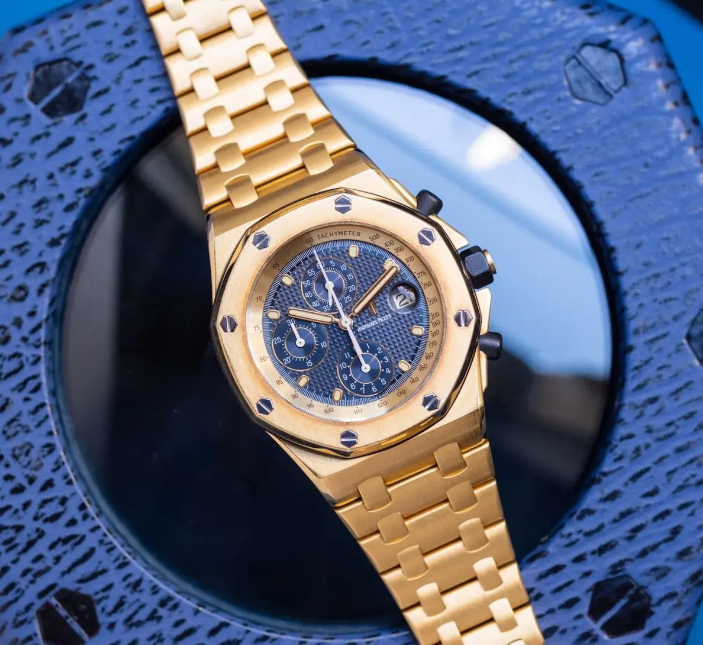
Perhaps the most fascinating development surrounding Watches & Wonders 2026 is the return of Audemars Piguet.
For years, Audemars Piguet pursued a more independent strategy.
The company believed it could rely on its own events, proprietary experiences, and direct relationships with clients rather than participating in large industry gatherings.
From a branding perspective, the idea made sense.
After all, few modern watches have achieved the cultural impact of the Royal Oak. Demand often exceeded supply, and the brand enjoyed enormous visibility worldwide.
Yet even a powerhouse like Audemars Piguet appears to have recognized something important.
No brand exists entirely outside the broader watch ecosystem.
Collectors naturally compare products across brands. Media coverage becomes more meaningful when watches are evaluated alongside competitors. Industry events create conversations that individual presentations often struggle to generate.
The return of Audemars Piguet doesn’t represent failure.
Instead, it highlights a growing realization that collaboration and visibility within the wider watch community remain valuable-even for the industry’s strongest names.
For enthusiasts interested in replica Audemars Piguet models, this renewed visibility will likely generate increased interest in Royal Oak-inspired designs and alternative market segments as new releases attract attention worldwide.
The Rising International Influence of Watches & Wonders
Another notable trend for 2026 is the increasing international diversity among exhibitors.
For many years, Swiss brands naturally dominated the event.
That remains true today, but the landscape is gradually evolving.
Japanese prestige watchmaking gains additional representation through Credor, a brand long respected among collectors but historically underrepresented outside Asia.
Meanwhile, Chinese watchmaker Behrens joins the exhibition, reflecting the growing sophistication of independent Asian horology.
This shift is significant.
Collectors are becoming less focused on geography and more focused on innovation.
A decade ago, many buyers viewed Swiss origin as the primary indicator of quality.
Today, knowledgeable enthusiasts increasingly evaluate watches based on:
- Engineering
- Design originality
- Finishing quality
- Movement architecture
- Value proposition
This broader perspective benefits both collectors and the industry as a whole.
Independent Brands Continue to Gain Ground
One of the most enjoyable aspects of modern watch collecting is the growing visibility of smaller manufacturers.
Independent brands often take creative risks that larger companies avoid.
They experiment with unusual displays, unconventional materials, and distinctive aesthetics.
At recent exhibitions, some of the most memorable conversations I’ve had weren’t at the largest booths.
They happened while examining watches from smaller companies whose production numbers remain tiny compared to industry giants.
The inclusion of more independent and accessible brands suggests that Watches & Wonders recognizes an important reality:
Not every collector is shopping for a six-figure complication.
Many enthusiasts simply want something interesting, well-made, and distinctive.
That diversity strengthens the event.
What the Expansion of Geneva Events Means for Visitors
The success of Watches & Wonders has created an interesting logistical challenge.
The event has effectively outgrown its traditional boundaries.
While the Palexpo convention center remains the heart of the exhibition, activities increasingly spread throughout Geneva itself.
For visitors, this transformation creates both opportunities and frustrations.
On one hand, the city becomes a week-long celebration of watch culture.
On the other hand, transportation between venues can become complicated.
The planned expansion of organized shuttle services for 2026 should improve accessibility and encourage attendees to explore a broader range of exhibitions.
For first-time visitors, this creates a more immersive experience that extends far beyond a conventional trade show floor.
The Line Between Trade Show and Consumer Event Is Blurring
Historically, watch fairs were industry-only gatherings.
Retailers met manufacturers.
Journalists covered new releases.
Business relationships were developed behind closed doors.
That model is changing.
Today’s collectors want access.
Brands increasingly recognize the value of engaging directly with enthusiasts rather than relying solely on intermediaries.
As a result, public access continues expanding.
Visitors can now experience many of the same watches, presentations, and demonstrations previously reserved for professionals.
This evolution reflects a broader shift in luxury consumption.
Modern buyers want participation.
They don’t simply want to purchase products-they want to understand the stories, craftsmanship, and personalities behind them.
What This Means for the Luxury Replica Watch Market
Interestingly, the growth of major watch exhibitions also affects adjacent segments of the industry.
Whenever high-profile releases generate excitement, demand often extends beyond official retail channels.
This is one reason searches for luxury replica watches and replica watches for sale frequently increase following major events.
Collectors who admire a newly released design but face limited availability or substantial retail prices often begin exploring alternatives.
Of course, genuine collectors generally prioritize authenticity, provenance, and long-term ownership value.
However, there is no denying that major industry events influence interest across the entire watch landscape.
When a standout release captures attention at Watches & Wonders, its design language often echoes throughout both legitimate and replica markets within months.
From a market-observation standpoint, these patterns have become increasingly predictable.
If Watches & Wonders Geneva 2026 demonstrates anything, it is that the watch industry remains deeply human.
Technology continues to reshape how watches are marketed, discussed, and purchased.
Artificial intelligence can generate product descriptions.
Social media can create hype overnight.
Online retailers can facilitate global transactions in seconds.
Yet none of these innovations replace the simple experience of placing a watch on your wrist.
The industry’s renewed commitment to physical events confirms what many longtime collectors have always believed.
A watch is not merely a product.
It is an object that interacts with light, movement, emotion, and personal taste.
That reality explains why exhibitions continue growing, why brands continue returning, and why enthusiasts continue traveling across the world to see new releases firsthand.
As Watches & Wonders enters its next chapter, one thing seems certain: the future of watch collecting may be increasingly digital, but its heart remains firmly rooted in real-world experiences.